In this article
Potty training a puppy feels overwhelming in the first few weeks — but it doesn't have to be. With the right schedule, consistent reinforcement, and a setup that makes accidents manageable, most puppies are reliably trained within 4–6 weeks.
This guide breaks it down week by week so you always know what to expect and what to do next.
Before you begin
What You Need Before You Start
Set your space up before your puppy comes home. You'll need:
- A crate sized so your puppy can stand, turn around, and lie down — not much bigger. Dogs avoid soiling where they sleep.
- A designated potty spot — one consistent outdoor location, or one indoor pad location if you're using pads.
- Reusable or disposable pee pads — for apartment dogs, nighttime accidents, and early weeks when bladder control is limited.
- Enzymatic cleaner — breaks down urine at the molecular level so the scent doesn't draw them back to the same spot.
- High-value treats — something they only get for potty success. Small, soft, and fast to eat.
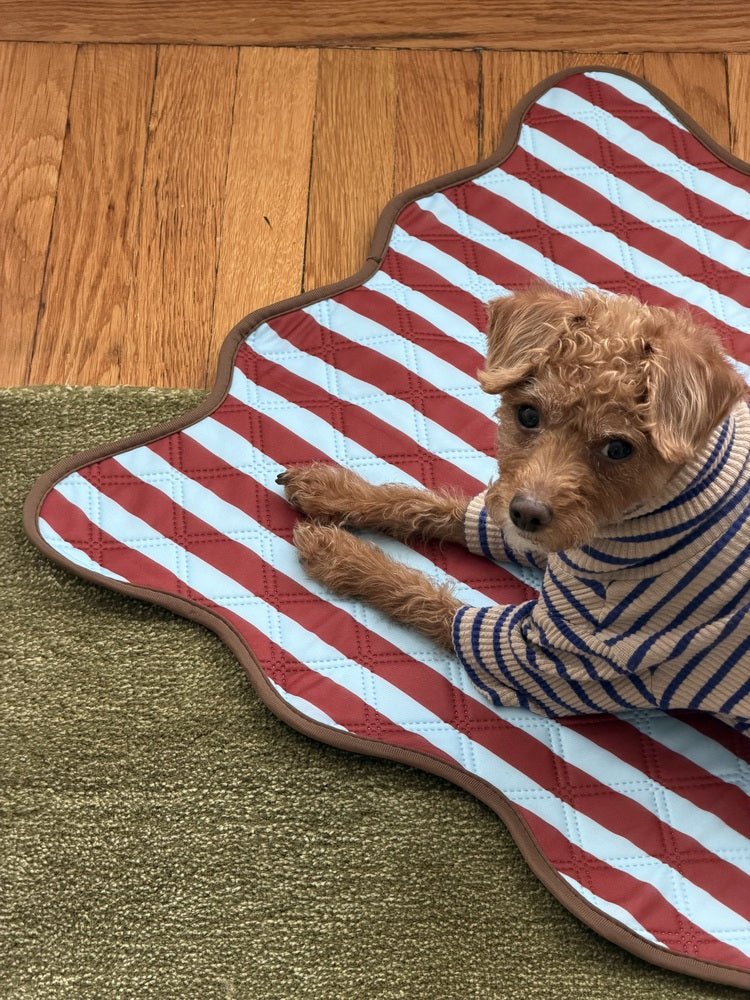
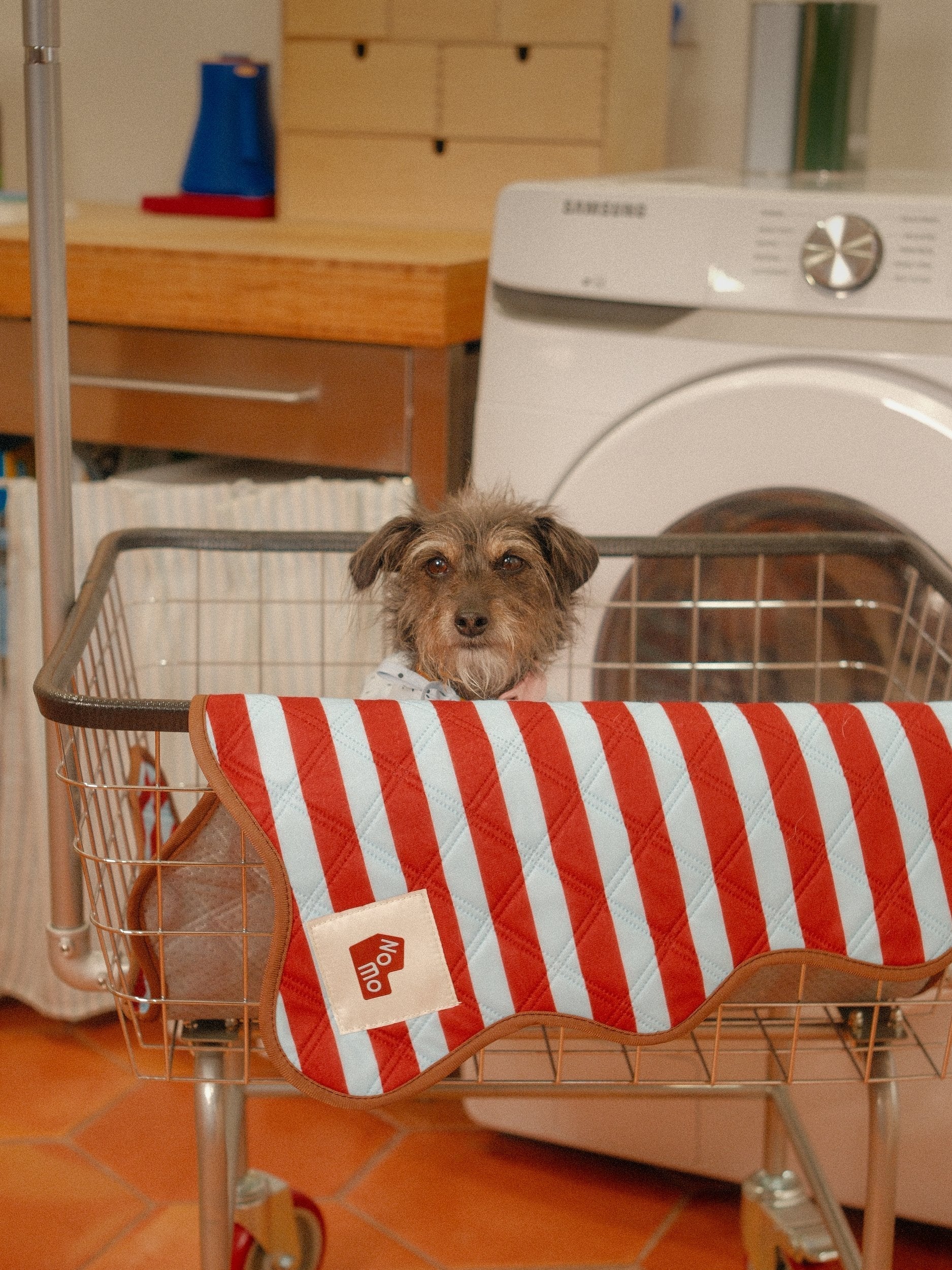
A note on pee pads: disposable pads create a lot of weekly waste and the cost adds up fast. Many owners start with disposables and switch to a washable reusable dog pee pad once they realize how often they're buying replacements. Reusable pads stay flatter, absorb better, and don't bunch up — which matters when you're trying to establish a consistent spot.
Week one
Building the Routine
The schedule
Take your puppy out (or to the pad) immediately after: waking up, eating, drinking, playing, and every 1–2 hours in between.
- Use the same word every time — "go potty," "outside," whatever you choose, stay consistent.
- When they go in the right spot: immediate treat + calm praise. Don't wait until you're back inside.
- When they have an accident: say nothing, clean with enzymatic cleaner, move on.
What to expect
Multiple accidents per day is completely normal in week 1. Your job is to catch them before it happens by watching for signals — sniffing, circling, squatting.
Night setup
Put a pee pad near their crate. Puppies under 12 weeks usually can't make it through the night. Set an alarm for a middle-of-night trip rather than waiting for them to cry.
Week two
Extending the Window
By week 2, most puppies can hold it for around 2 hours during the day. Stretch from every hour to every 90 minutes, then to 2 hours — but watch for signals rather than rigidly sticking to the clock.
Key habits to lock in this week
- Always go to the same spot — same outdoor patch or same pad location. The scent cue helps them understand what's expected.
- Keep the pad in one place. Moving it around confuses the routine.
- Start crating during nap times if you haven't already. Crates build bladder control naturally and prevent unsupervised accidents.
Weeks three & four
Reducing Accidents
What changes this week
- Extend outdoor trips to every 2–3 hours for puppies 10–12 weeks old.
- Begin asking for a "sit" before the treat — adding a small behavior chain builds focus.
- Start moving toward your puppy's final potty setup (fully outside, or a fixed indoor pad location).
Overnight
Many puppies can make it 4–5 hours overnight by weeks 3–4. If they wake and cry, take them out immediately — don't let them learn that crying gets them playtime.
Apartment & indoor dogs
If you're using pee pads long-term, weeks 3–4 is when you consolidate to one pad location and make it permanent. A reusable washable pad works well here — it stays in one place, looks better than a crinkly disposable, and you toss it in the wash when needed. Here's how to keep it in good condition: How to Wash Reusable Dog Pee Pads So They Last Longer.
Weeks five & six
Phasing Out Pads
Move the pad a few feet closer to the door every 2–3 days. Then just outside the door. Then remove it entirely. This gradual transition prevents confusion — your puppy isn't suddenly losing a signal they've relied on for weeks.
Watch out for these
Common Mistakes That Slow Progress
Punishing accidents after the fact
Dogs don't connect a correction to something that happened more than a few seconds ago. If you didn't catch it happening, just clean it up and tighten your schedule.
Inconsistent spot location
Switching between pads in different rooms, or different outdoor patches, slows learning significantly. Pick one location and stick to it.
Using the wrong cleaner
Regular household cleaners don't break down the urine scent. Your puppy can still smell it and will return to the same spot. Use an enzymatic cleaner every single time.
Giving too much freedom too soon
Puppies need supervision or crating until they've been accident-free for several weeks. Free roam of the whole house at 9 weeks leads to accidents in corners you won't find for days.
Reinforcing the wrong behavior
If you pick up your puppy mid-squat and take them to the right spot, that's correct. If you give attention — even negative attention — during an accident, you're accidentally rewarding it.
Making the right call
When to Use a Pee Pad vs. Going Straight Outside
There's no universal right answer — it depends on your setup.
Pads make sense if
- You live in an apartment without easy outdoor access
- You have a puppy under 10 weeks
- You have a small breed using pads long-term
- You have a senior dog managing incontinence
- You're away longer than your puppy can hold it
Go straight outside if
- You have yard access and can take frequent trips
- You don't want a two-step transition later
If you use pads, make sure they're in a fixed location, easy to clean, and visually consistent. A reusable washable pee pad is more durable, stays flat, and is cheaper over time. See our full breakdown: Washable vs. Disposable: Real Cost, Smell, and Cleanup.
The bottom line
Potty training is about routine, not willpower.
The puppies who learn fastest are the ones with owners who take them out on a consistent schedule, celebrate every success immediately, and don't punish mistakes.
Expect week 1 to feel chaotic. By week 4, it starts to click. By week 6, most puppies are reliably going where they're supposed to.

Leave a comment
This site is protected by hCaptcha and the hCaptcha Privacy Policy and Terms of Service apply.