
In this article
- Why proper washing matters
- Step 1: Rinse or pre-treat promptly
- Step 2: Wash with mild detergent
- Step 3: Skip fabric softener & dryer sheets
- Step 4: Dry fully without overheating
- How often should you wash them?
- How to remove odor
- Can you wash them with other laundry?
- What makes a pad easier to maintain?
If you use washable pee pads regularly, the washing routine matters more than most people think. The right routine keeps them absorbent, helps control odor, and makes them last longer. The wrong one leads to lingering smells, detergent buildup, and pads that stop performing the way they should.
Here's exactly how to wash reusable dog pee pads properly, what to avoid, and how to keep them in good shape over time.

The basics
Why Proper Washing Matters
A good reusable pee pad has to do three jobs at once: absorb liquid, protect the floor underneath, and stay usable through repeated washes. That only works if the fabric layers stay clean and the waterproof backing stays intact.
The biggest reasons washable pee pads start underperforming are usually avoidable: too much detergent, fabric softener, high heat, or waiting too long to wash them after use.
Step one
Rinse or Pre-Treat Promptly
If a pad is heavily soiled, rinse it with cold water as soon as you can. This helps keep odor from setting into the fabric and makes wash day much easier.
Step two
Wash With Mild Detergent in Cold or Warm Water
Most reusable dog pee pads do best in cold or warm water with a mild detergent. Avoid using too much — residue builds up in the absorbent layers over time and reduces performance.
- Use a regular wash cycle
- Choose cold or warm water
- Use a moderate amount of detergent
- Add an extra rinse cycle when possible
If your pad has brand-specific care instructions, follow those first. In general, lower heat and thorough rinsing are better for long-term performance.

Step three
Skip Fabric Softener and Dryer Sheets
Fabric softener and dryer sheets coat the fibers of the pad. That may make them feel softer, but it reduces absorbency and traps odor over time. If your goal is performance, skip both — every time.
Step four
Dry Fully Without Overheating
Make sure the pad dries completely before putting it back into use. Line drying is the gentlest option. If you use a dryer, low heat is better than high — especially over the long term.

Frequency
How Often Should You Wash Reusable Dog Pee Pads?
Wash them after they've been soiled. Letting a dirty pad sit too long makes odor harder to remove and shortens the pad's lifespan.
For most households, the most practical setup is rotating between multiple pads — one in use, one in the wash, one drying. Three to four pads is a good starting point for a single dog.
Troubleshooting
How to Remove Odor From Washable Pee Pads
If a reusable pee pad still smells after washing, the problem is usually buildup — not a sign the pad is permanently damaged. Try this:
- Use less detergent
- Add an extra rinse cycle
- Wash pads sooner after use
- Use a pet-safe enzyme laundry additive
- Stop using fabric softener and dryer sheets if you haven't already
If the pad has gone through a long stretch of heavy detergent use, it may take a few washes with a cleaner routine before it fully resets.
Common question
Can You Wash Pee Pads With Other Laundry?
You can, but most people prefer washing them with other pet laundry — towels, crate blankets, or cleaning cloths — rather than everyday clothing. The main goal is giving the pads enough room and water movement to rinse thoroughly. Overloading the machine is the one thing to avoid.

Buying guide
What Makes a Reusable Pee Pad Easier to Maintain?
Some washable pads are much easier to live with than others. The most useful ones combine:
- A surface that wicks moisture away quickly so it doesn't pool
- Absorbent inner layers built to handle real, repeated use
- A waterproof base that holds up through dozens of wash cycles
If you're still deciding whether reusable pads are worth the switch, read our full breakdown: Are Reusable Dog Pee Pads Worth It? Our Honest Take. And if you're comparing disposable vs. washable on cost: Washable vs. Disposable: Real Cost, Smell, and Cleanup.
The bottom line
Wash promptly, use less detergent than you think, and skip the softener.
That routine protects absorbency, controls odor, and helps your reusable pee pad last through hundreds of wash cycles.
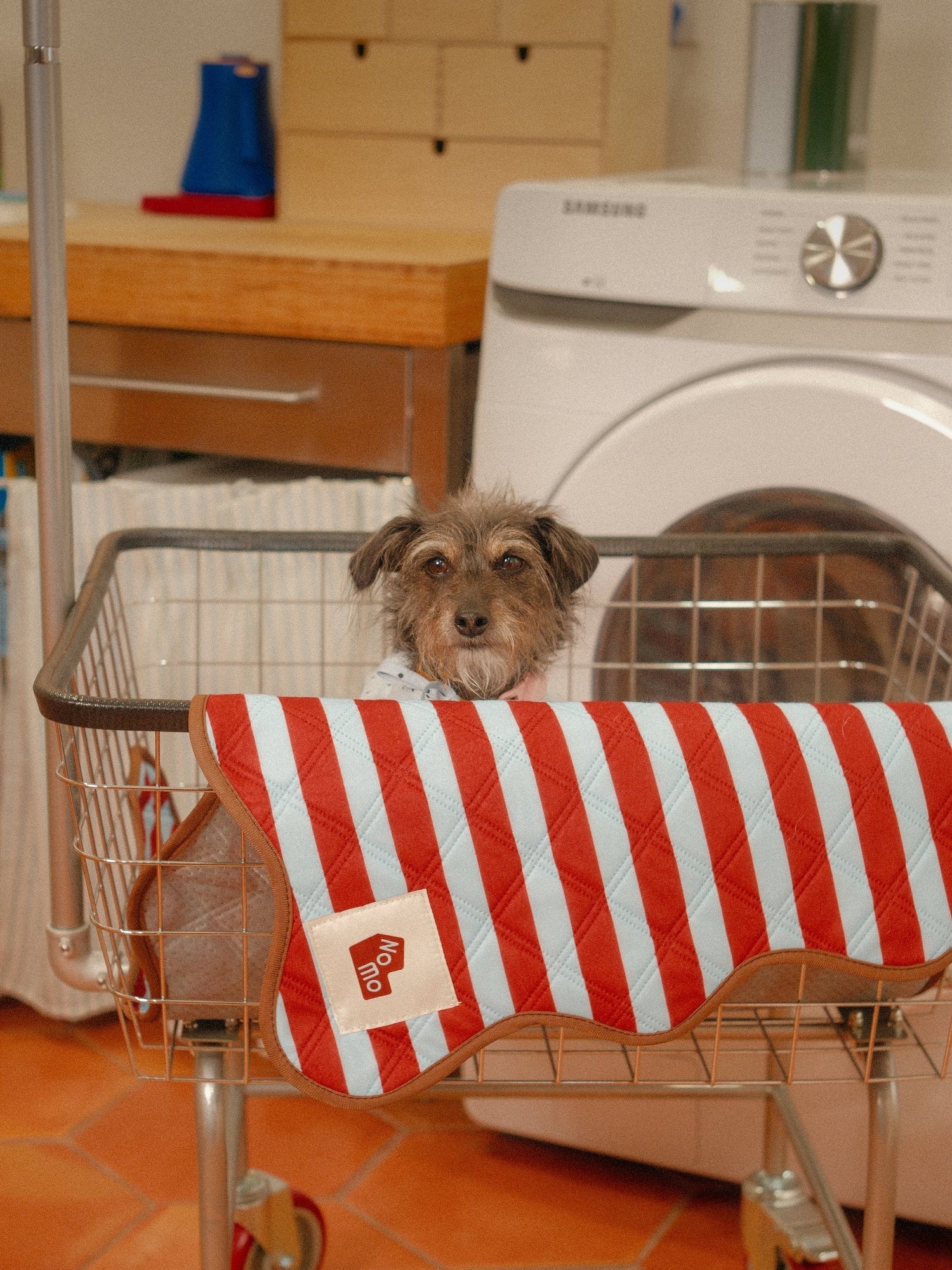
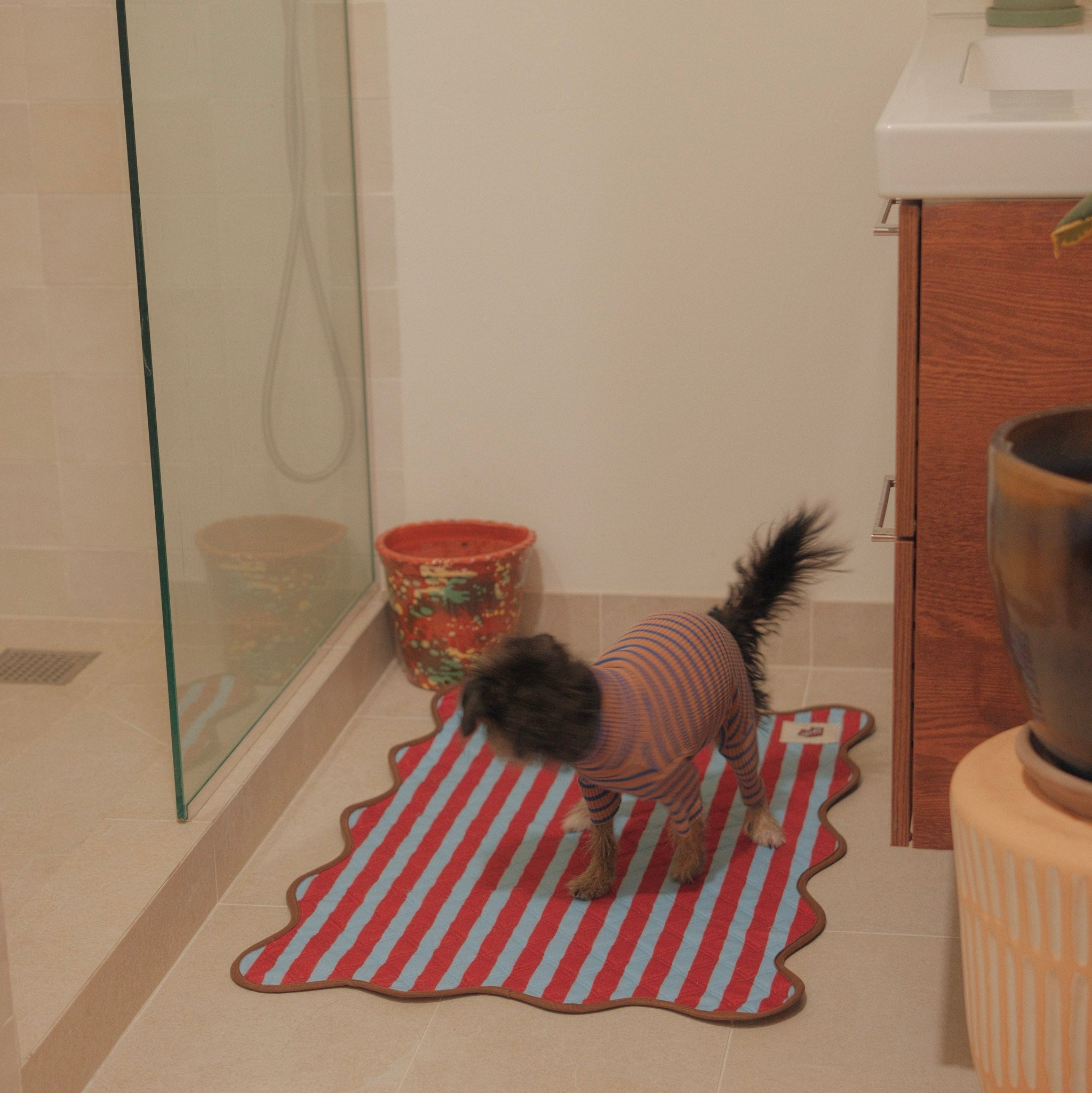
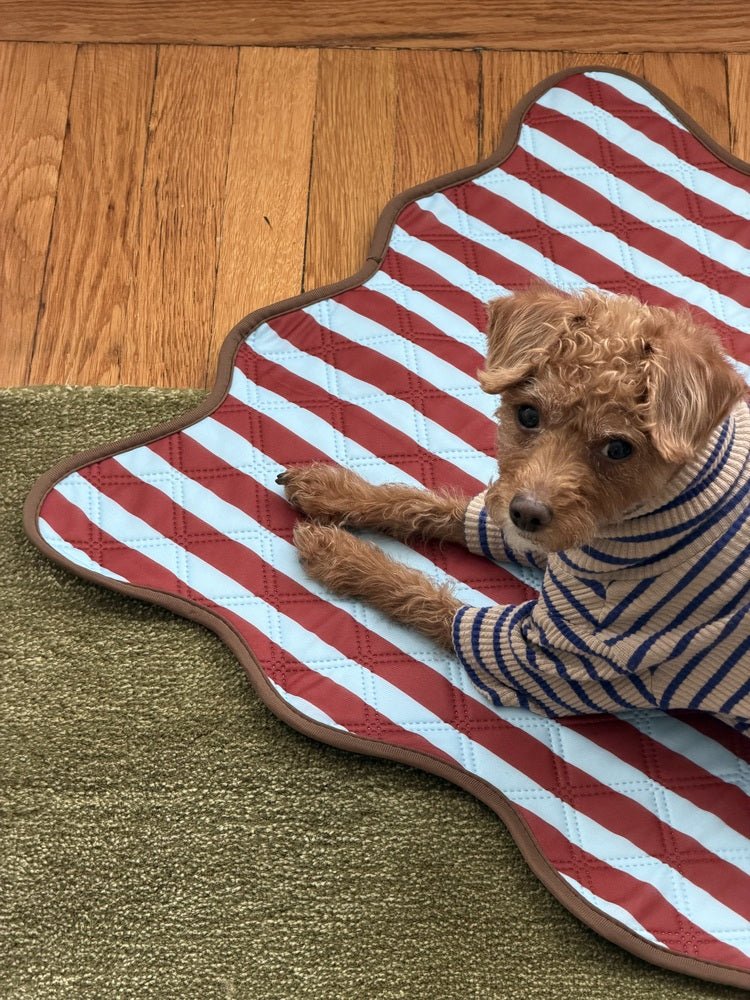
Looking for a pad built to handle it? The Ellie Pad was designed to be leak-proof, machine washable, and easy to use day after day.

Leave a comment
This site is protected by hCaptcha and the hCaptcha Privacy Policy and Terms of Service apply.